

The cheapest place to fix a usability problem is the wireframe. The most expensive is production, where a change touches code, tests, and retraining. Research-first design front-loads the thinking: user interviews, workflow mapping, and clickable prototypes that get argued about before a single component is built.
- Production is the most expensive place to fix usability
- Changes touch code, tests, and retraining
- Thinking bolted on after build, not front-loaded
What we deliver
From research to handoff — design that gets argued about before a single component is built.

UX research & audits
Where users struggle, measured, not guessed
Wireframes & prototypes
Clickable flows stakeholders can test before development spends a rupee
UI design
Interface design with hierarchy, accessibility, and restraint
Design systems
Reusable component libraries so screen #200 ships as consistently as screen #2
Developer handoff
Specs, tokens, and Figma files engineered for implementation, because a design that can't be built is an illustration
Interaction & motion design
Purposeful animations, transitions, and micro-interactions that guide users without distracting them
Usability testing & optimization
Real user feedback translated into design improvements that increase clarity, confidence, and conversion
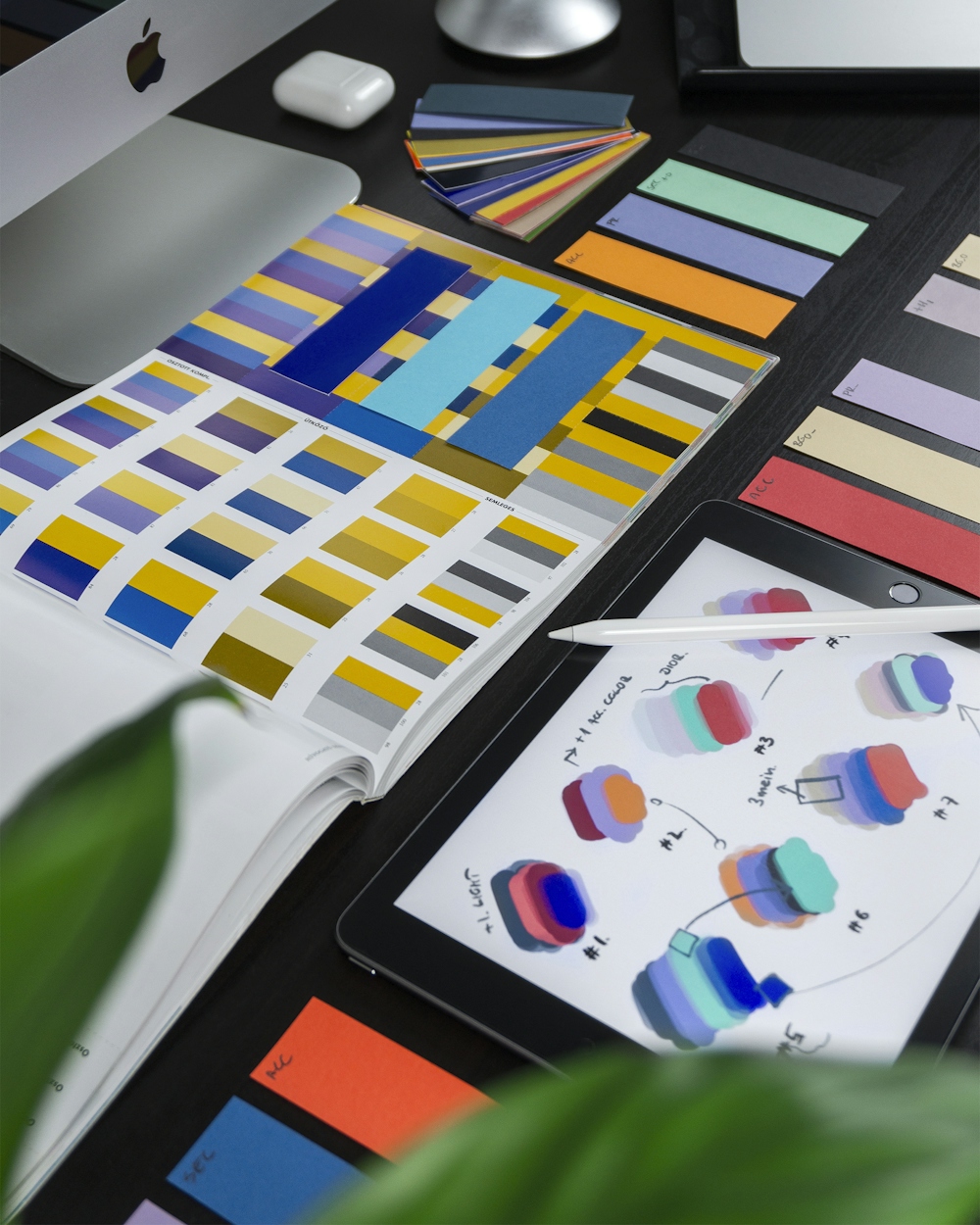
Our designers sit with our engineers, which changes the output: no impossible interactions, no 40-variant component sprawl, no handoff wars.
If you've experienced the agency-to-developer translation gap, this is the fix.

Constantly — usually starting with a UX audit that ranks problems by user impact, so you fix the expensive ones first instead of the visible ones.